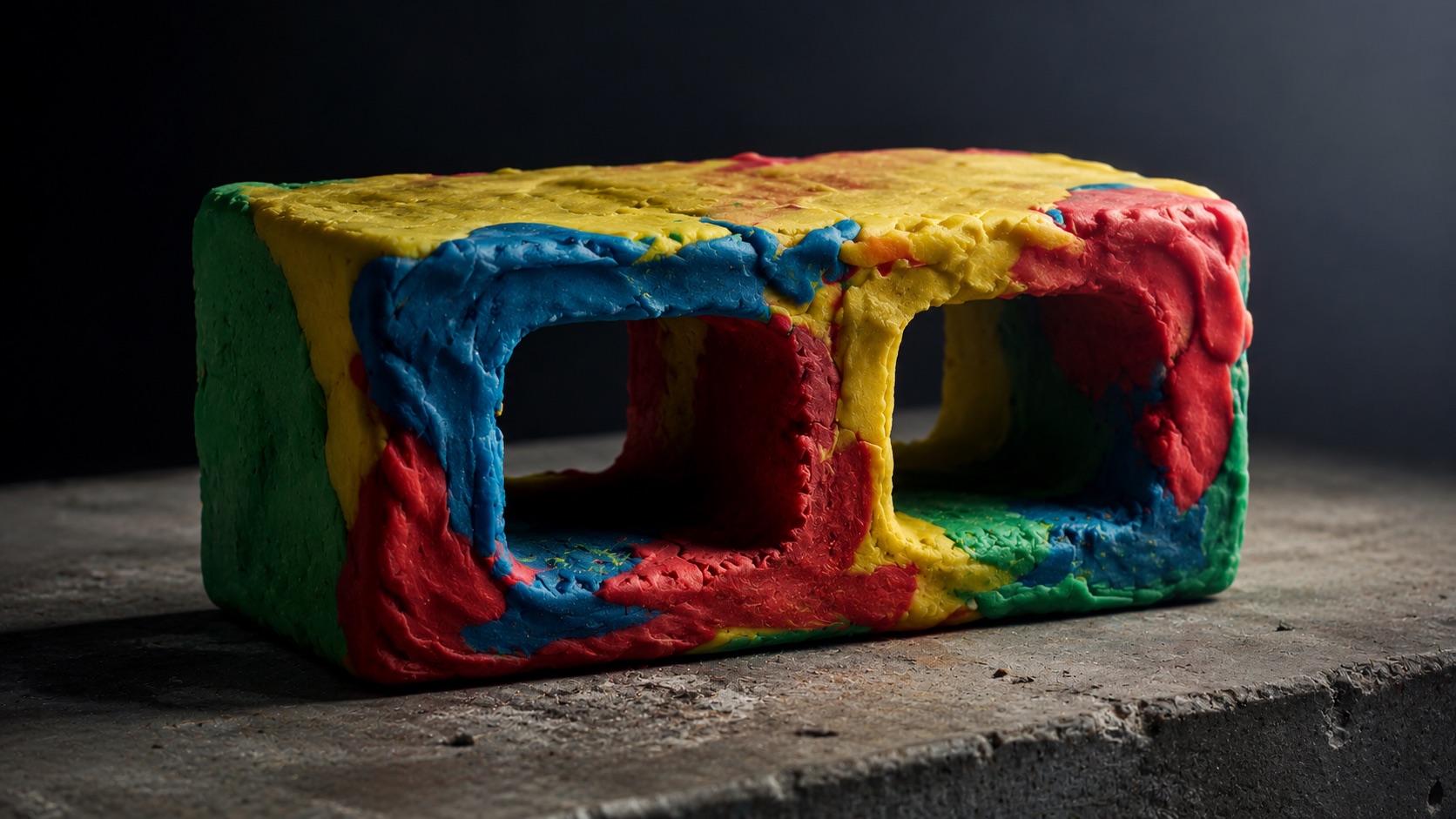
A cinderblock molded entirely from bright, squishy Play-Doh, sitting where a real structural block should be.

The Agent That Never Says No

In the mid-'90s, I tracked my snowboarding season in a Microsoft Access database. Not a spreadsheet — a database, with tables and queries and a little form I'd punch numbers into after a day on the hill. It computed cost per day, cost per run, cost per vertical foot, and vertical feet per day, per week, per season. That year I had a season pass and rode 75 days, which got my cost down to about $17 a day. I was very proud of that $17, and of the database, which I never touched again once the snow melted. ...

June 15, 2026

AI Compute Is a DER, Not a Crisis

The dominant framing of AI's collision with the grid goes something like this: AI compute is exploding, hyperscaler load curves are climbing into territory utility planners didn't sketch a decade ago, and the response is supply-side. Build more generation. Expedite interconnections. Hope the grid catches up. Almost every recent industry headline reads from this script. It's not wrong. It's just incomplete. The framing treats AI compute as fixed demand. The premise is that whatever energy the GPUs need to keep doing their space heater trick, the grid has to deliver. From there, every conversation is about supply: how to bring more on, how fast, with what generation mix, at what cost. The grid is the variable; the load is the constant. ...

April 26, 2026